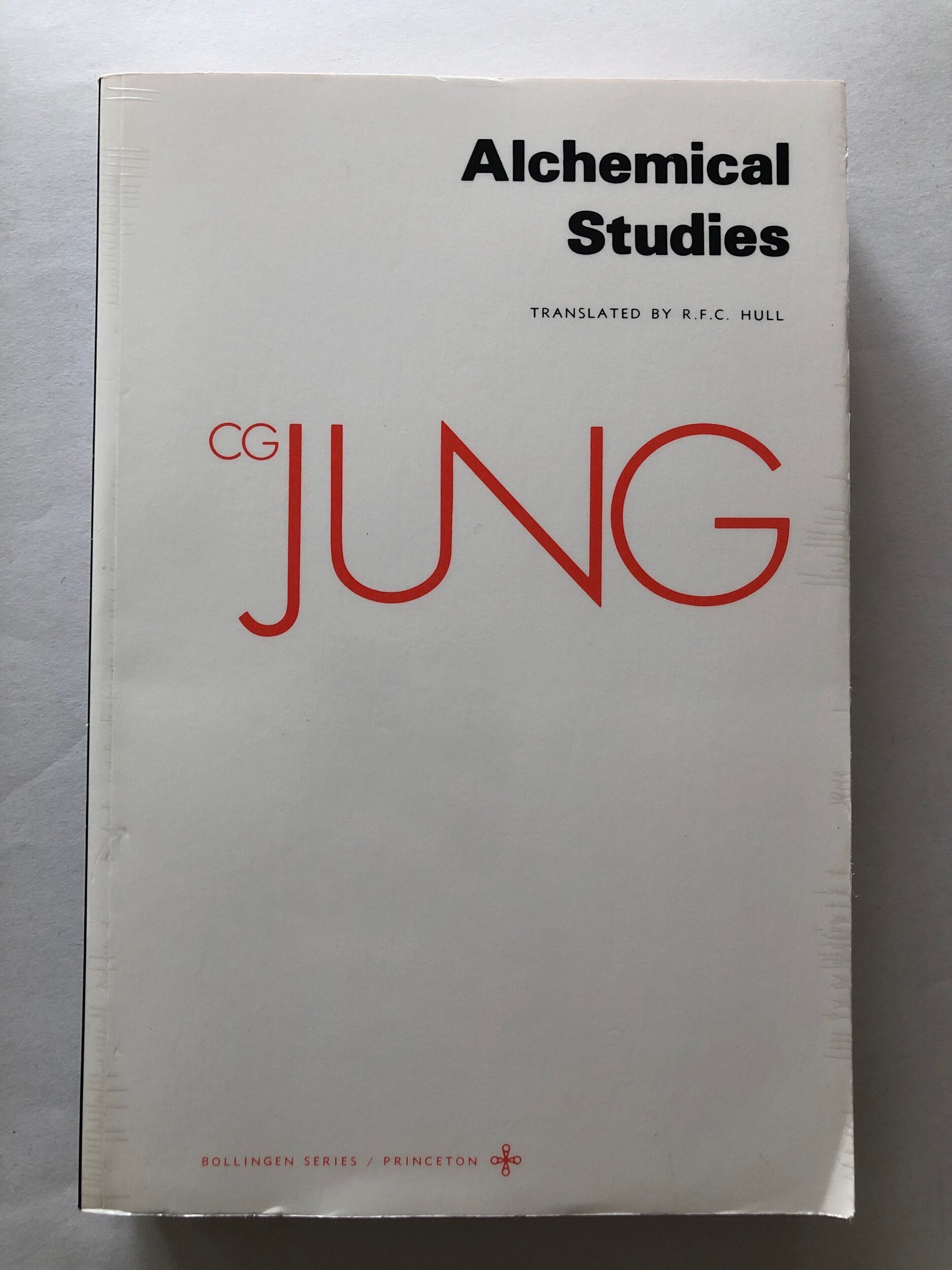
Alchemical Studies – C. G. Jung (Collected Works Vol. 13)

$72.00

Alchemical Studies by C. G. Jung – Volume 13 of the Collected Works, including his commentary on The Secret of the Golden Flower and his essay on Paracelsus.

About the book

Five long essays in which Jung explores alchemy as a projection of the psyche's transformative processes: his commentary on the Taoist Secret of the Golden Flower, the visions of Zosimos, Paracelsus as a spiritual phenomenon, the Spirit Mercurius, and the Philosophical Tree. Illustrated with alchemical plates and patients' drawings.

These essays show Jung's growing conviction that alchemy was not merely failed chemistry but a symbolic language for inner transformation. The Golden Flower commentary, written with Richard Wilhelm, marked his first serious engagement with the subject and with Eastern thought; the later essays build the foundations for Psychology and Alchemy and Mysterium Coniunctionis.

An essential volume for understanding Jung's work on symbolism and the self.

About the author

Carl Gustav Jung (1875–1961) was the Swiss psychiatrist who founded analytical psychology and developed the concepts of the collective unconscious, archetypes and individuation.

Ideal for: Jungian students and analysts, readers of alchemy and hermeticism, and collectors of the Collected Works.

Details

  • Author: C. G. Jung
  • Series: Collected Works, Volume 13

Carefully packed and shipped from Australia. Questions about this copy, or want more photos? Get in touch.

Alchemical Studies by C. G. Jung – Volume 13 of the Collected Works, including his commentary on The Secret of the Golden Flower and his essay on Paracelsus.

About the book

Five long essays in which Jung explores alchemy as a projection of the psyche's transformative processes: his commentary on the Taoist Secret of the Golden Flower, the visions of Zosimos, Paracelsus as a spiritual phenomenon, the Spirit Mercurius, and the Philosophical Tree. Illustrated with alchemical plates and patients' drawings.

These essays show Jung's growing conviction that alchemy was not merely failed chemistry but a symbolic language for inner transformation. The Golden Flower commentary, written with Richard Wilhelm, marked his first serious engagement with the subject and with Eastern thought; the later essays build the foundations for Psychology and Alchemy and Mysterium Coniunctionis.

An essential volume for understanding Jung's work on symbolism and the self.

About the author

Carl Gustav Jung (1875–1961) was the Swiss psychiatrist who founded analytical psychology and developed the concepts of the collective unconscious, archetypes and individuation.

Ideal for: Jungian students and analysts, readers of alchemy and hermeticism, and collectors of the Collected Works.

Details

  • Author: C. G. Jung
  • Series: Collected Works, Volume 13

Carefully packed and shipped from Australia. Questions about this copy, or want more photos? Get in touch.

The Collected works of C. G. Jung, Vol. 13: Alchemical Studies

The psychological and religious implications of alchemy preoccupied Jung during the last thirty years of his life. This collection of five essays, with numerous illustrations, traces his developing interest in alchemy from 1929 on and may be read both as a useful introduction and as a valuable supplement to his longer works on the subject, Psychology and Alchemy, Aion, and the monumental Mysterium Conconiunctionis.

Each of these essays is an extended commentary on a theme with alchemical associations, some of which Jung had referred to in his earlier publications; an ancient Chinese Taoist text, The Secret of the Golden Flower, The Visions of Zosimos, a Greek alchemist and Gnostic of the third century; the spirit of Mercurius in Grimm’s fairy tale, “The Spirit of the Bottle”; and the symbol of the Philosophical Tree in the drawings of modern patients. “Paracelsus as a Spiritual Phenomenon” stands out as a separate study, a discussion, with an emphasis on alchemical sources, of the arcane speculations of the sixteenth-century Swiss natural philosopher, physician, and emperor named Paracelsus. Its striking effect arises perhaps from the fact that Jung could identify himself with his dynamic and explosive countryman. 

The illustrations include eight plates of alchemical pictures and forty-two drawings or paintings by patients in analysis.