
Religion & spiritual Traditions
The great faiths, their scriptures, history and ideas: Christianity, Islam and Buddhism, Swedenborg, the Dead Sea Scrolls, and wider studies of religion. For readers who want to understand a tradition from the inside, or see how traditions speak to each other.
Featured Religion and spiritual traditions books

Native American Wisdom
Edited by Neil Philip
Carefully selected, sepia-toned archival photographs of Native Americans draw readers in with their haunting beauty, and reflect aspects of ancient stories. [Philip] covers almost four centuries of philosophical musings, and in the process illustrates the harmony and tradition of Native American culture
In such a meticulous gathering, traditional values and beliefs emerge for contemporary readers: To live in a sacred manner is to take pleasure in being alive in the moment and in the world.
Part of the power of this handsome book comes from the words of Native American men and women, who speak on peace and war, true teachings and false ones, visions of the sacred path and betrayal in certain situations, the changing seasons, and much more. The carefully chosen words are those of such leaders as Black Elk, Geronimo, Chief Seattle, Sitting Bull, Cochise, and Tecumseh more than 30 in all. . . . Taken together the words and pictures convey a sense of Indian consciousness.

A Guide to the Symbolism of the Christian Tradition
Herbert Whone
The author presents in alphabetical order a description of all major architectural features found in religious building, giving the idea and intent behind their design and investigating the etymology of their names. Besides this, he explores the symbolic representation of the major Principals found in the Old and New Testaments and illuminates some of the significant words in the Christian Liturgy.
The distinguishing theme of the book is the author's concern to relate the artistic forms in stone, glass and wood to the spiritual convictions and traditions which inspired them.
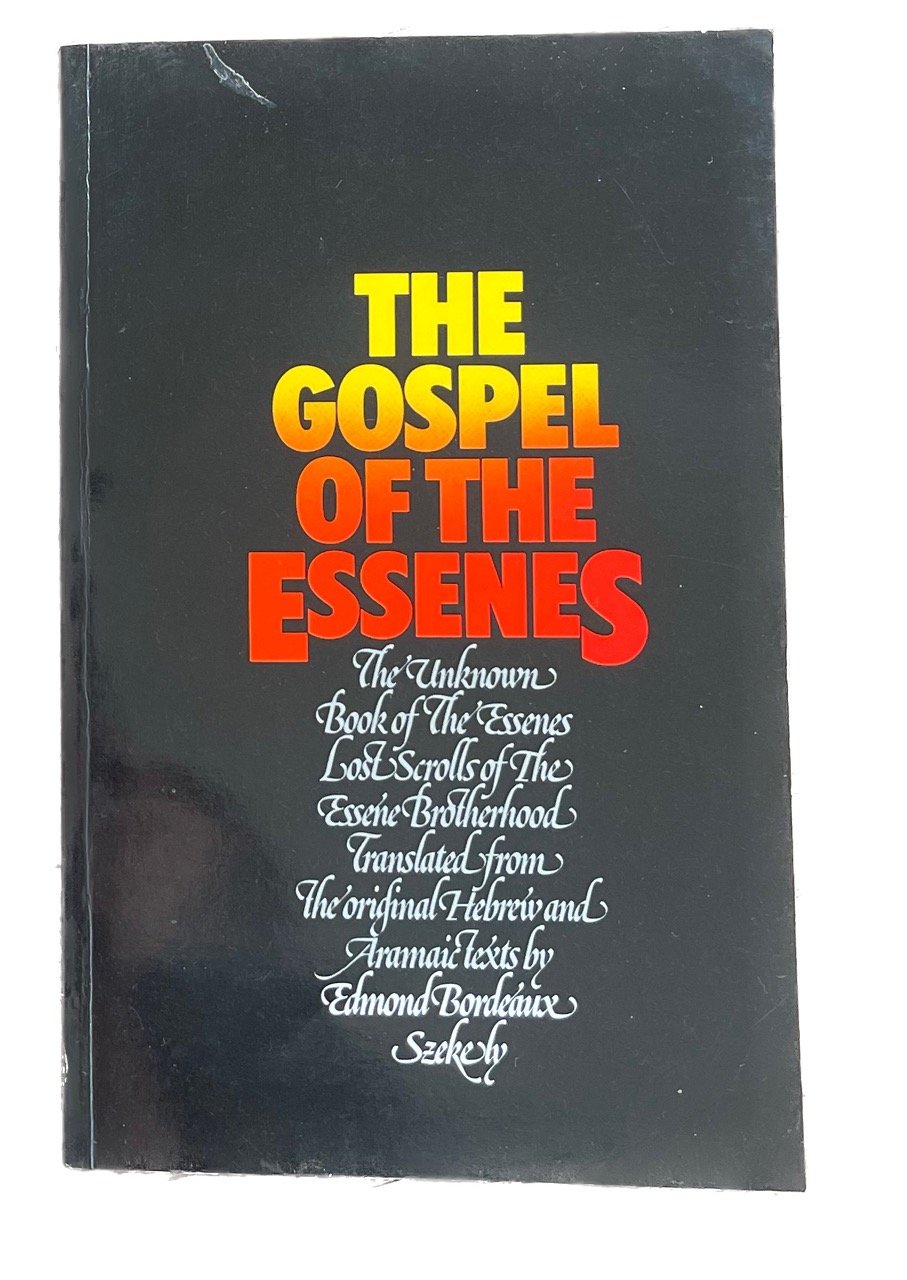
The unknown Book of the Essenes Lost Scrolls of the Essene Brotherhood Translated from the original Hebrew and Aramaic texts by Edmond Bordeaux Szekely
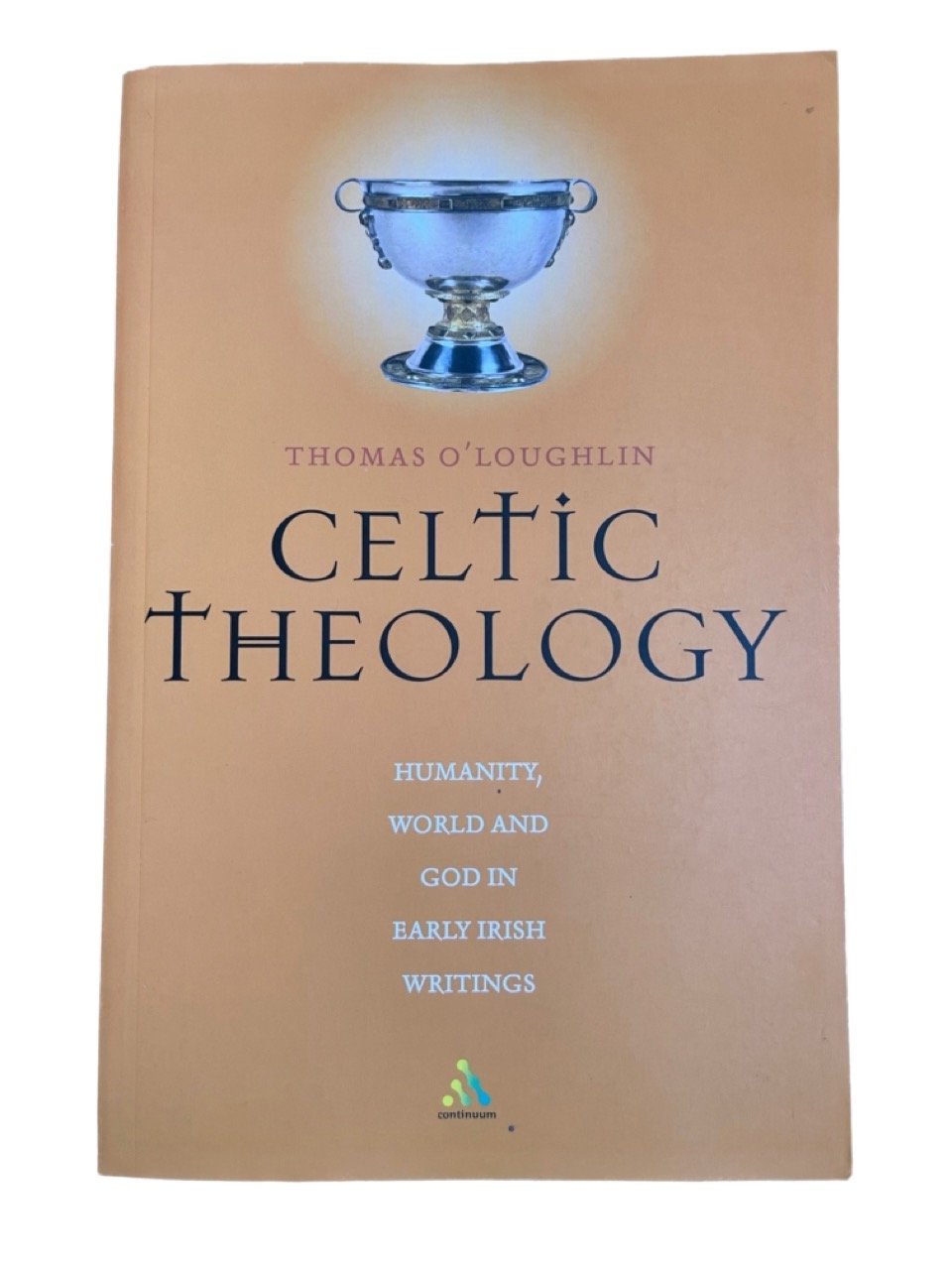
Humanity, world and God in early Irish writings
By Thomas O’Loughlin
O'Loughlin examines the theological framework within which St. Patrick presented his experiences and considers how the Celtic lands of Ireland and Wales developed a distinctive view of sin, reconciliation, and Christian law that they later exported to the rest of western Christianity.
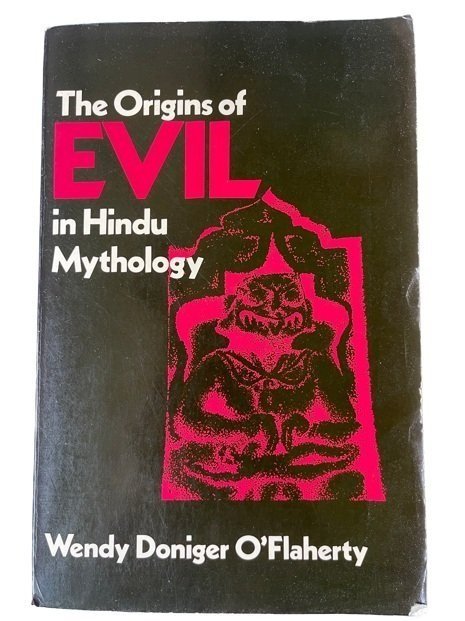
Wendy Doniger O'Flaherty
CONTENTS
INTRODUCTION: THE PROBLEM OF EVIL
TIME, FATE, AND THE FALL OF MAN
THE NECESSITY OF EVIL
GODS, DEMONS, AND MEN
THE PARADOX OF THE GOOD DEMON: THE CLASH BETWEEN RELATIVE AND ABSOLUTE ETHICS
THE PARADOX OF THE EVIL GOD: THE TRANSFER OF SIN
THE CORRUPTION OF DEMONS AND MEN: THE FALSE AVATAR
THE BIRTH OF DEATH
CROWDS IN HEAVEN
GOD IS A HERETIC
THE SPLIT CHILD: GOOD AND EVIL WITHIN MAN
CONCLUSION: THE MANY PATHS OF THEODICY
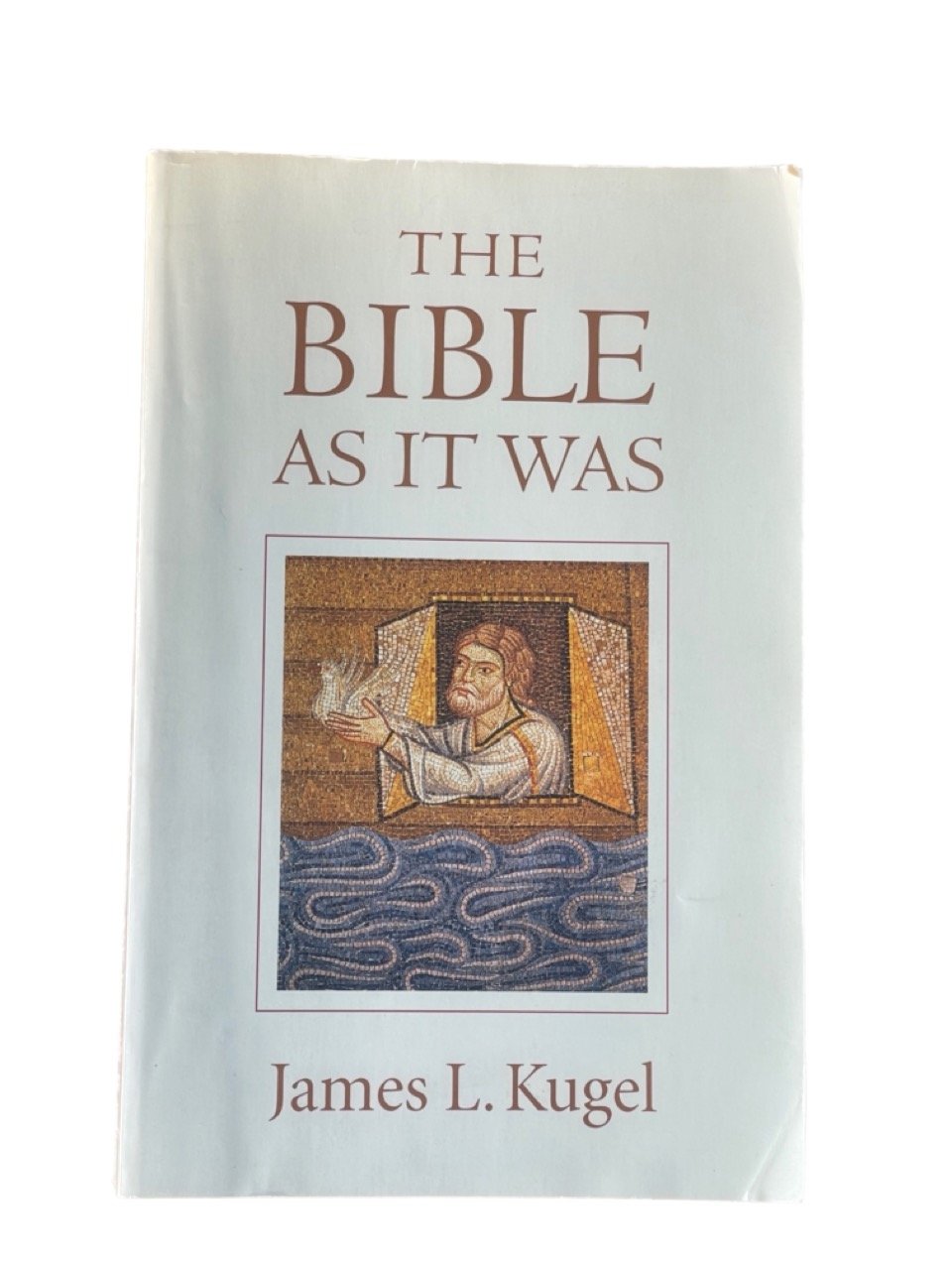
By James L. Kugel
HIS IS A COMPANION TO THE BIBLE like no other. Leading us chapter by chapter through key biblical stories -from Creation and the Tree of Knowledge through the Exodus from Egypt and journey to the Promised Land--James Kugel shows how a group of anonymous ancient interpreters radically transformed the Bible and made it into the book that has come down to us today. Here. for the first time, we can witness the development of the Bible "As It Was" at the start of the common era--the Bible as we know it.
The Tibetan Book of the Dead in Frank J. MacHovec's modern translation, published by the Peter Pauper Press – a compact, illustrated edition of the Bardo Thödol.
About the book
The Bardo Thödol, traditionally attributed to Padmasambhava, is the Tibetan Buddhist guide to the intermediate state between death and rebirth, read aloud to guide the consciousness of the dying. MacHovec's 1972 rendering is a concise, accessible version for the modern reader, presented in the Peter Pauper Press's characteristic small decorated format.
The text sets out the stages the consciousness passes through after death – the dawning of the Clear Light, the appearance of the peaceful and wrathful deities, and the paths that lead either to liberation or back into rebirth. It was introduced to the West by W. Y. Evans-Wentz in 1927 and later became a touchstone of the 1960s counterculture, when Timothy Leary, Ralph Metzner and Richard Alpert adapted it as a guide to psychedelic experience.
MacHovec's version strips away much of the scholarly apparatus of earlier translations to give a clear, readable text that can be used as a meditation on death and impermanence. The Peter Pauper Press was known for its small, attractively designed gift editions, and this one is a favourite with collectors of the press and of vintage esoteric books.
About the author
Frank J. MacHovec was an American psychologist and author who produced popular modern renderings of Eastern classics as well as works on psychology.
Ideal for: students of Tibetan Buddhism, readers exploring death and dying, collectors of the Peter Pauper Press and vintage counterculture books.
Details
Carefully packed and shipped from Australia. Questions about this copy, or want more photos? Get in touch.